Dig In Without the Damage: My Own Rules for a Day at the Border

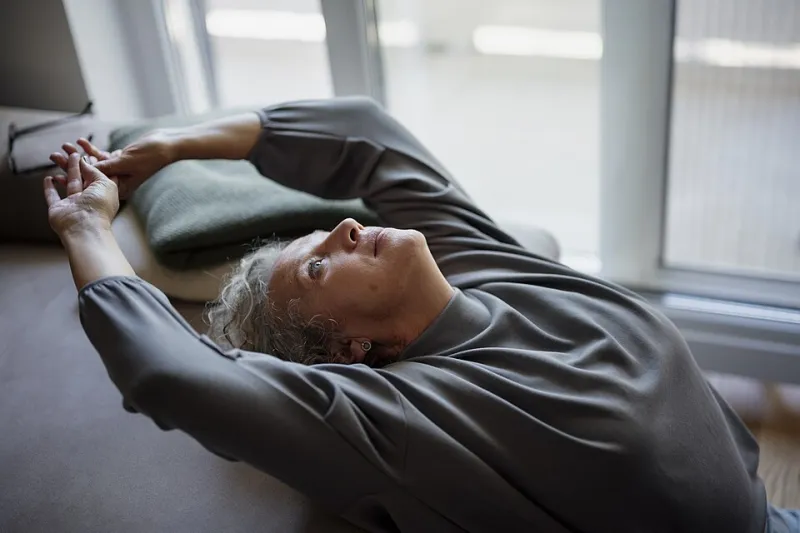
Photo: Peter Smith from Basingstoke, United Kingdom, CC BY-SA 2.0, via Wikimedia Commons
Patients often ask me, half-joking, whether osteopaths ever get bad backs. We do. And in my case, the culprit is usually the garden. There's something about a sunny April bank holiday that makes me — and half of Britain — forget every piece of advice we'd happily dish out in the treatment room.
So I've started treating my own garden like a patient: with a bit of planning, some honest limits, and a willingness to stop before it stops me. Here's how I actually do it.
The Fifteen-Minute Rule
The single biggest mistake I see (and have made myself) is going from zero to three hours. You wouldn't run a half-marathon without a warm-up, but somehow hauling a fork through clay soil after a winter on the sofa seems perfectly reasonable.
My rule is simple: the first fifteen minutes are easy. I potter. I move pots around, deadhead a few things, wander about. It sounds trivial, but it warms up the exact muscles that digging will demand. By the time I pick up the spade, my back knows what's coming.
Kneeling: Get It Right or Get It Wrong
Weeding is where most backs go to die, and it doesn't have to be that way. The problem isn't the weeding — it's the bent-over hover that people hold for forty minutes at a time.
I kneel, always. One knee down, one foot planted, so I can take the strain through my leg rather than my lumbar spine. A proper kneeler with handles is worth every penny — those handles give you something to push on when you come back up, which saves your back and your dignity in equal measure. For close work, I'll sit right back on my heels, but never for long. The moment a position feels stuck, I change it.
Which brings me to the golden rule of the whole enterprise.
Change the Job Before the Job Changes You
Tissues don't like one position held forever, no matter how good it is. So I rotate tasks on a rough timer — maybe every twenty or thirty minutes. Digging, then potting on the bench, then pruning, then back to digging. It's not just about variety for variety's sake; moving between loaded and unloaded positions gives your back little recovery windows throughout the day without you ever having to officially stop.
If a task genuinely can't be varied — say, a long border that needs a full weeding session — I break it into zones across different days rather than conquering it all at once. The border will still be there tomorrow. Your sacroiliac joints would rather you remembered that.
Lifting: The Compost Bag Conundrum
Compost bags are the sneakiest injury in the garden. They're floppy, they're heavy, and they're usually dragged out from a awkward corner of the shed.
I treat them like a patient with a heavy leg: get close, hinge at the hips and knees, hug the bag in against your body, and drive up through your legs. If I need to move compost a distance, I'll decant it into a trug or bucket — several smaller loads beat one heroic haul every time. Same goes for bags of gravel or paving. Half-full is the new full, as far as I'm concerned.
The Things We Forget
A few smaller habits that make a surprising difference:
- Long-handled tools are your friends. A longer fork or hoe means less bending. I've stopped being proud about refusing them.
- Raise the potting bench. Working at mid-thigh-to-waist height keeps you upright. An old table on bricks does the job perfectly well.
- Water before you dig. Slightly moist soil is far easier to work than baked clay, which means less force through your arms and back.
- Drink actual water. Gardeners are famously bad at this. Dehydrated tissues complain louder.
And When You've Overdone It Anyway
Because you will — we all do. If you wake up the next morning feeling stiff and grumbly, gentle movement is usually better than total rest. A short walk, some easy stretching, a warm shower. If the pain is sharp, travels down a leg, or hasn't settled within a week or two, that's the point where booking in makes sense.
Gardening should leave you tired in a satisfying way, not shuffling into the kitchen like a marionette with crossed strings. A little structure goes a long way — and if you'd like a hand getting your back garden-ready, you know where I am.
Happy planting. Mind your back out there.