It's Not Your Chair, It's Your Calendar: Rethinking Office Back Pain
Photo: Marjory Collins, Public domain, via Wikimedia Commons
Every week, someone walks into my clinic clutching their lower back and telling me the same thing: "I've bought the chair. The one with the lumbar support. The one that cost more than my first car. And I still ache."
I understand the frustration. We've been sold the idea that back pain from office work is a furniture problem. Fix the chair, fix the back. But in my experience treating desk workers across the UK — from solicitors to software developers — the chair is rarely the whole story. Sometimes it's barely a footnote.
The Sitting Problem Isn't Sitting — It's Stopping
Here's the thing about your spine: it's built to move. Discs in your lower back don't have their own blood supply; they get nourished through movement, a bit like squeezing and releasing a sponge. Sit perfectly still in a perfectly designed chair for four hours, and those discs are no better off than they'd be in a cheap kitchen chair.
Research increasingly points the same way. The issue isn't sitting per se — it's uninterrupted sitting. Your body is remarkably tolerant of most positions. What it doesn't tolerate well is any single position held for hours on end.
So when a patient asks me which chair they should buy, my answer is usually: whichever one reminds you to get out of it.
Move More, Not Just Sit Better
I call it the "move more, not just sit better" approach, and it's the first thing I discuss with desk-based patients. It's refreshingly unglamorous:
- Set a movement timer. Every 30–45 minutes, stand up. Stretch, walk to the kitchen, refill your water bottle. It doesn't need to be a workout — two minutes of motion is genuinely valuable.
- Rethink your meetings. Phone calls and virtual catch-ups can often be taken standing or pacing. Some of my patients now do walking meetings around the car park.
- Use your commute. If you're on the train from Reading or the bus into town, getting off a stop early adds meaningful movement to your day without costing a minute of your evening.
- Vary your position at your desk. Sit, stand, perch. A sit-stand desk helps — but only if you actually alternate. Standing all day in one spot creates its own problems.
- Build in a proper lunch break. Even a ten-minute walk around the block at midday does more for a stiff back than any cushion.
None of this is revolutionary. But consistency beats intensity, and these small habits add up.
So Is Ergonomics Pointless?
Not at all. A sensible desk setup — screen at eye level, forearms roughly parallel to the floor, feet supported — reduces unnecessary strain. If your monitor sits low and you crane your neck all day, that's worth fixing.
But think of ergonomics as the foundation, not the cure. A well-set-up desk with a sedentary day behind it will still leave you stiff. Movement is the treatment; setup is just the supporting cast.
When to Seek Hands-On Treatment
How do you know when it's time to book an appointment rather than another gadget? A few signs I look for:
- The ache has lingered for more than a couple of weeks, despite your best efforts to move more.
- You're getting recurring flare-ups — fine for a fortnight, then it grips again.
- The stiffness is spreading into your hips, shoulders, or neck.
- Movement itself has started to feel daunting, so you're moving less, which makes things worse.
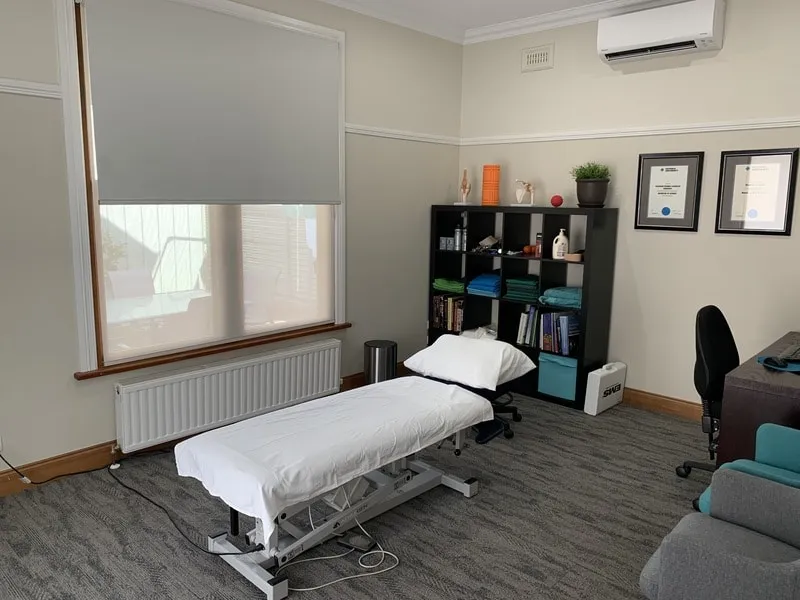
Osteopathy works well here because it's hands-on and practical. During a session, I'll assess how your lower back, pelvis, and surrounding muscles are actually moving, then use gentle techniques — stretching, articulation, soft tissue work — to ease restriction and reduce irritation. Just as importantly, we'll figure out together which of your daily habits might be feeding the problem, and build a realistic plan around your actual working life. Not an idealised one.
Most people find that a combination — some targeted treatment plus genuinely sustainable movement habits — gets them back to comfortable days at the desk far quicker than either approach alone.
The Bottom Line
Your back isn't broken, and neither is your chair. It's simply been asked to do the one thing spines dislike most: nothing, for hours at a time. Move little and often, get assessed if the ache won't shift, and save the receipt for that next ergonomic gadget. You probably won't need it.
If persistent back pain is affecting your working day, osteopathic assessment can help identify what's going on and what to do about it. Get in touch to book an appointment.