Nervous About Your First Osteopathy Visit? Let's Walk Through It Together
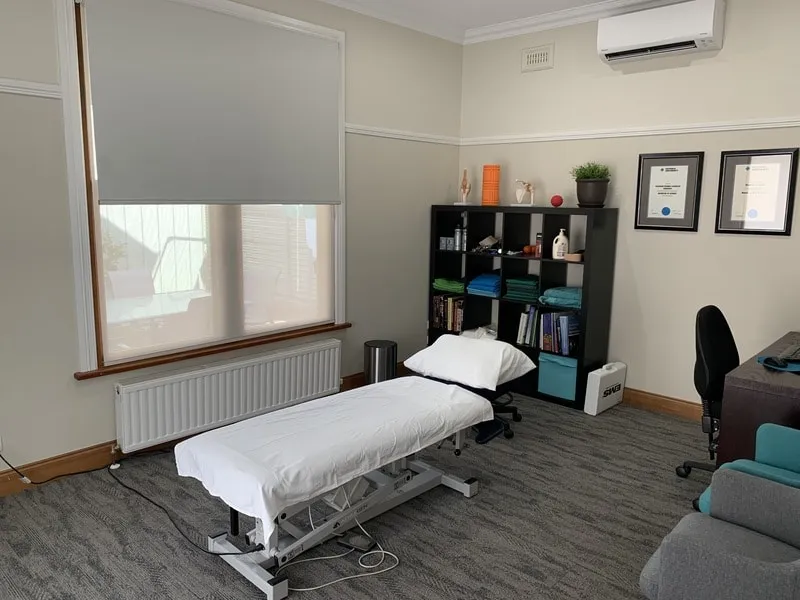
Photo: osteopath welcoming patient consultation room warm friendly, via www.sportsandspinal.net.au
Let me guess what's in your head as you consider booking your first osteopathy appointment. There's the vague image of someone twisting your neck until it sounds like a bag of crisps. There's the worry that it'll hurt. And there's the sneaky feeling that your problem "isn't serious enough" to bother anyone about.
I hear these worries all the time — usually mumbled apologetically at the start of a first session. So let me put them to rest properly, by walking you through exactly what happens when a new patient comes to see me.
Before You Even Lie Down: The Chat
Your first appointment is longer than follow-up sessions — usually 45 minutes to an hour — and most of it is conversation. I'll ask about your pain, obviously: where it is, when it started, what makes it better or worse. But I'll also ask about your work, your sleep, your hobbies, any old injuries, your general health, and any medication you're taking.
This isn't small talk. Back pain rarely exists in isolation, and the context helps me build a picture of what's going on. It's also your chance to ask anything — and no, there are no silly questions. I've been asked whether osteopaths are properly trained (yes — we hold a recognised qualification and are regulated by law in the UK) and whether we can treat people during pregnancy (again, yes, with appropriate adaptations).
One important note: if anything in your history suggests your symptoms need medical investigation first, I'll say so and point you towards your GP. Osteopaths are trained to recognise when hands-on treatment isn't the right starting point.
The Assessment: Looking, Then Gentle Testing
Next, I'll usually ask you to undress to your underwear (or suitable clothing — comfort comes first, and you're welcome to bring shorts or a vest top) so I can observe how you stand and move. Then I'll carry out some simple physical tests: asking you to bend forward, raise your arms, or resist gentle pressure from my hands. I'll also palpate — that's a fancy word for carefully feeling — the muscles and joints around the affected area to assess tone, tenderness, and movement.
Throughout, I'll explain what I'm doing and why. If anything feels uncomfortable, say so and we'll adjust. You're in charge of your body; I'm just the one with the training.
The Hands-On Bit: Gentler Than You Fear
Now to the part most people are nervous about. Osteopathic treatment uses a range of hands-on techniques, and most of them are nothing like the dramatic cracking people imagine.
- Soft tissue work — firm, rhythmic massage-style techniques to ease tension in muscles.
- Articulation — gently moving joints through their range of motion, slowly and repeatedly, to loosen stiffness.
- Muscle energy techniques — you gently contract a muscle against light resistance while I guide the movement.
- Manipulation (the "click") — used selectively, only when appropriate, and only with your consent. It's quick, usually painless, and often gives a satisfying sense of release — but it is absolutely not mandatory.
If you'd rather I avoid any particular technique, just tell me. A good session is a collaboration, not something done to you.
After Treatment: What to Expect
Most people leave feeling looser and more comfortable. Some feel pleasantly tired, as though they've done a workout. A minority experience mild soreness for 24–48 hours — similar to post-exercise ache — which typically settles on its own. I'll give you tailored aftercare advice: perhaps some gentle stretches, movement tips for your working day, and honest guidance about how many sessions you're likely to need.
I won't sign you up for an open-ended course of treatment. We'll agree a plan, review it together, and adjust based on how you're actually responding.
The Questions Everyone's Too Shy to Ask
"Will it hurt?" Most of it won't. Techniques are adapted to your comfort, and I'll check in as we go.
"Is cracking dangerous?" No. The pop is just gas bubbles forming in the joint fluid — a bit like the fizz when you open a bottle. Harmless, and optional.
"Am I too far gone?" Very rarely. People often wait months, assuming their pain isn't "bad enough". Earlier assessment usually means simpler treatment.
"What if I jump or flinch?" You won't be the first, and you certainly won't be the last.
Ready When You Are
Osteopathy is a regulated, evidence-informed profession, and first appointments are far more relaxed than most people expect. If you've been putting off booking because of nerves, I hope this has taken some of the mystery out of it. My door — and my kettle — are always open.
To book your first appointment or ask a question before you commit, get in touch with the clinic. I'm always happy to have a chat first.