Same Seat, Same Train, Same Ache: The One-Sided Habit Your Commute Has Built
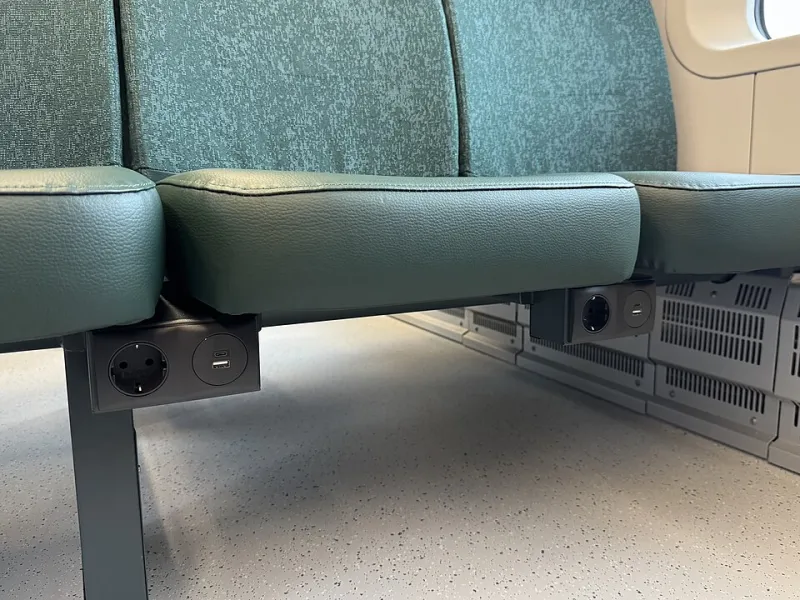
Photo: Lasse Keskinen, CC BY 4.0, via Wikimedia Commons
Ask a commuter how they get to work and they'll tell you the time, the line and the seat they always sit in. The 7:42 from Reading, third carriage, aisle seat, bag on the luggage rack if I'm quick. We are creatures of habit, and our bodies notice.
I'm not exaggerating when I say that a surprising number of the shoulders, necks and upper backs that walk through my clinic door belong to people who spend two hours a day in exactly the same position. The journey itself isn't the villain — repetition without variety is.
What your daily journey is actually doing
Think about your average commute. Phone in the right hand, neck tipped down and slightly rotated. Bag over the left shoulder, or the strap across your chest because you read somewhere that was better. If you drive or sit on the train, there's a good chance you lean subtly towards one side — towards the window, away from a stranger, or just because that's where your body settled three years ago and never left.
One day of any of this is nothing. Your body is brilliant at handling load. But do the same thing 240-odd times a year, and the tissues adapt. Muscles on one side get chronically busy while their partners get lazy. Joints get used to sitting slightly askew. Then one weekend you reach into the loft or turn to reverse the car and your neck seizes in a way that feels completely out of proportion.
It's rarely the loft that's to blame. It's the two decades of the same seat.
The tell-tale signs
Commuter bodies tend to present in familiar patterns. A shoulder that rides higher on the bag side. A neck that resists turning over one shoulder — which is genuinely inconvenient when you cycle or need to check your blind spot. An ache between the shoulder blades that loosens about an hour after you've reached the office and reappears the moment you're back on the platform.
If you catch yourself stretching one side constantly and never the other, that's a clue worth listening to.
Six small resets for the platform and the carriage
You don't need to overhaul your journey. Just break the pattern a little.
1. Swap your bag shoulder. Deliberately switch sides every few days, or better, use a rucksack with both straps. It feels odd for a week. That's the point.
2. Hold your phone at eye level. Not rigidly — just high enough that your neck isn't doing all the bending. Alternate hands too.
3. Change your seat. I know. The good seat on the 7:42 is sacred. But sitting the other side of the aisle even twice a week gives your body a different shape to hold.
4. Stand for part of the journey. Even ten minutes standing with your weight even on both feet resets your hips and spine better than another half hour of slumping.
5. Use the platform. It's a built-in walk. Take the stairs rather than the escalator, and let your arms swing naturally — it sounds trivial, but arm swing is how your upper back breathes between episodes of stillness.
6. Do one proper shoulder roll an hour. Slow circles backwards, both sides, five each. Nobody on the Northern line will notice, and if they do, they'll probably join in.
When it's worth getting checked
If the ache has become a fixture rather than a visitor, or you're noticing pins and needles, headaches, or stiffness that lingers into the weekend, that's your body asking for a proper look. Osteopathic treatment works well here precisely because the problem is usually a pattern, not an injury — we can assess how the whole system is compensating, release what's overloaded, and help you find a way of travelling that doesn't cost you anything.
Your commute is a habit. Habits can be edited. Start with the bag strap — and let me know which side you've been carrying it on. I'll give you one guess.